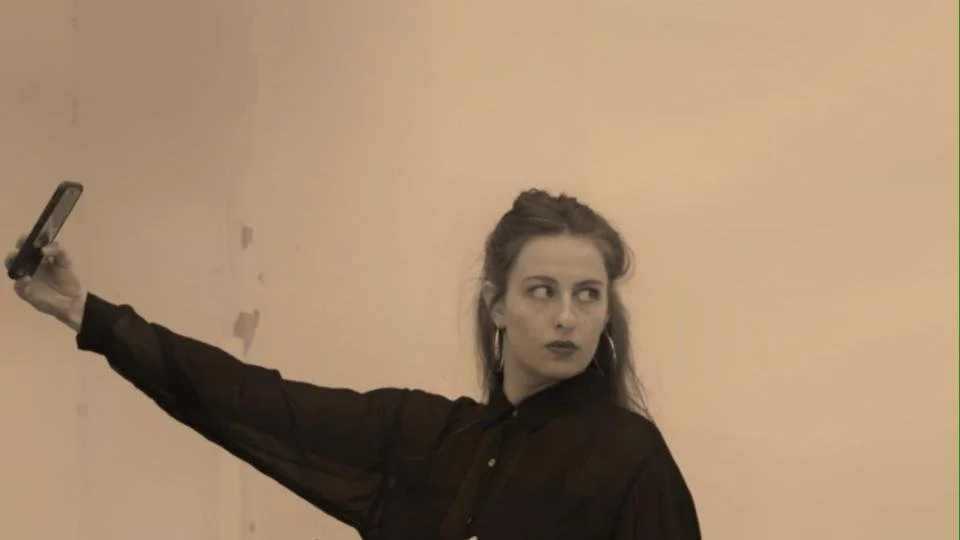
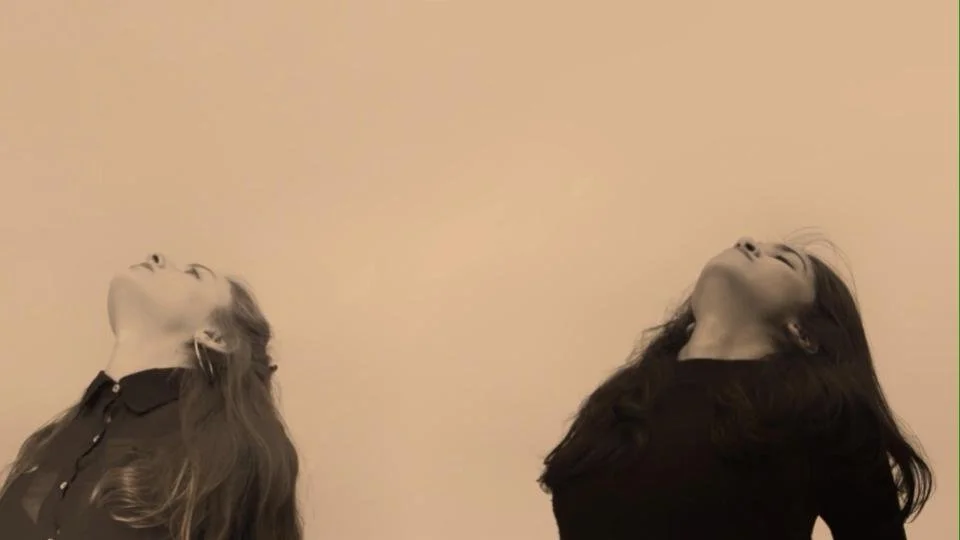
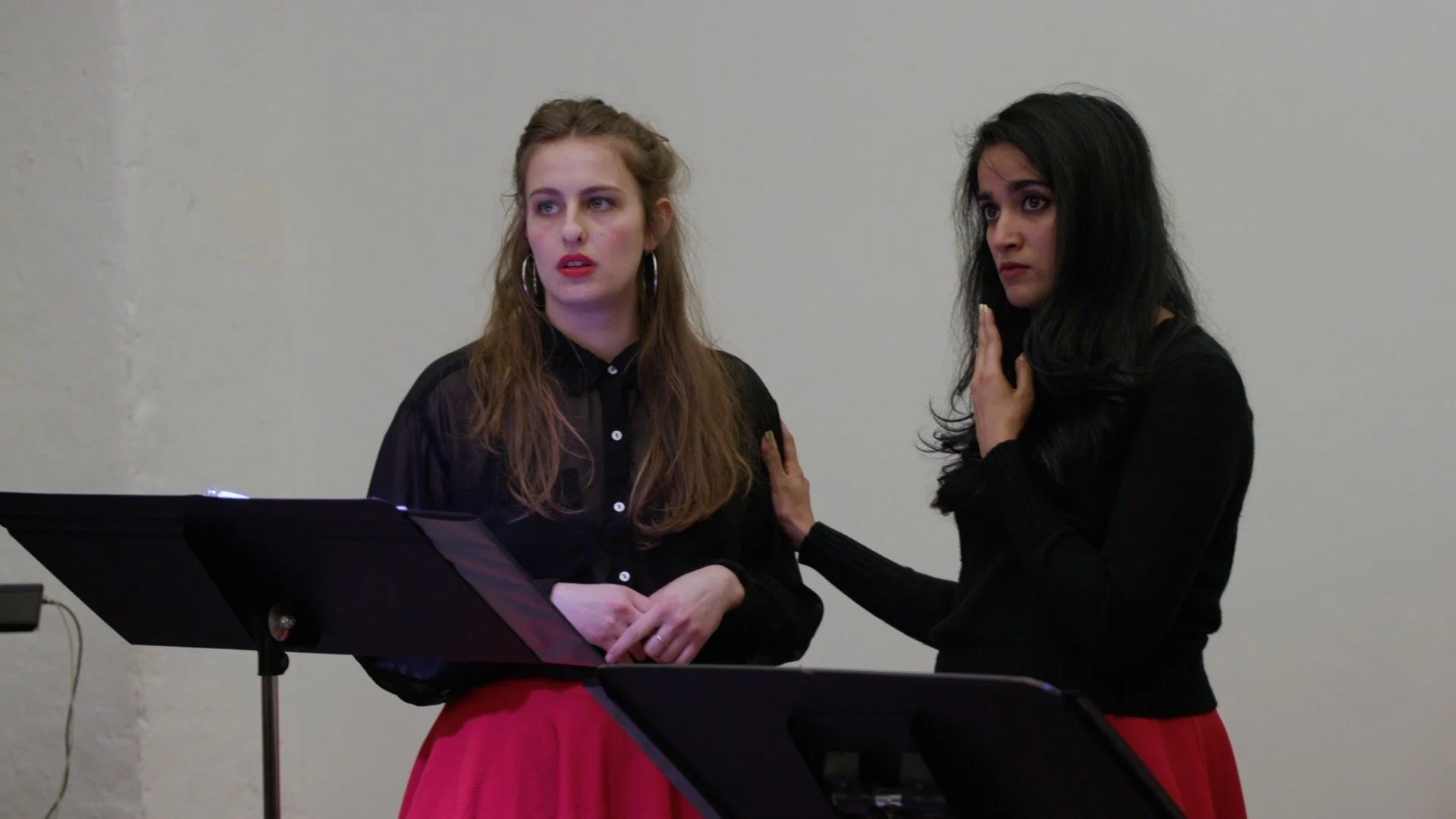
⸻⸻❱❰Two girls, dressed identically, get into an argument. It turns out they are both named Amanda Palmer, and, even eerier, all such Amanda Palmers—and, yes, there are others—share the same secret aptitude for turning into cats at night. As each Amanda Palmer is becoming cat-like, her very language transforms into something wild, hybrid, and impossible, too. The effect is created by using only words that do not contain the letter ‘E.’ The audience still understands what the Amandas are saying—their speech makes grammatical sense—but the resulting language sounds heightened, operatic, stylized and utterly weird.
“Catness” aims to portray something infrequently examined in theater: the raw sexual power of young women. The metamorphosis into cats is ultimately a metaphor for sexual awakening. The use of synthetic language, in this piece, is a means for tapping into the animal instincts that put us in touch with deeper truths, with empathetic connection to one another, with our animal tendencies for both savagery and tenderness. Intriguingly, this effect of wildness is achieved through technical constraint in its language. ⸻⸻❱❰